Last Updated | March 14, 2026.
Life After 60: A New Chapter of Health, Autonomy and Purpose
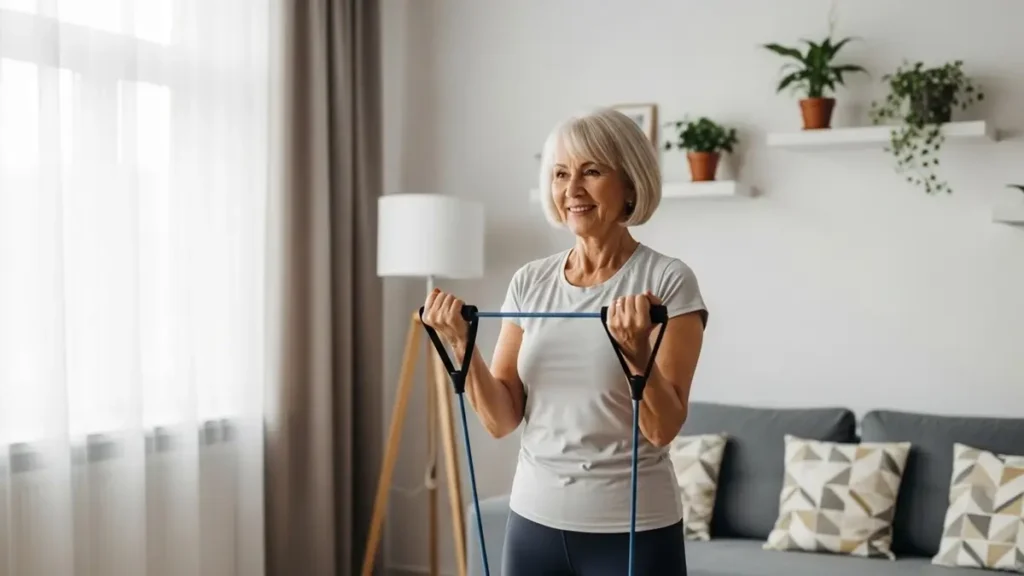
A fulfilling life after 60 is full of transformations and new perspectives. Far from being a period of decline, this phase can be lived with vitality, health, and joy, provided you adopt a conscious and proactive approach to various aspects of life.
This article explores key topics relevant to those crossing this important milestone: medications, exercise, intimacy, sedentary lifestyle, and strategies for living longer and better.
This content is part of the 60+ Audience category, dedicated to topics such as health, autonomy, longevity, and quality of life after 60.
Quality of life at 60 is directly linked to daily choices.
Medication Use After 60: How to Maintain Health and Avoid Risks
As we age, the need for medications often becomes more present. Whether to control chronic conditions like high blood pressure, diabetes, or osteoporosis, or to treat new health issues that may arise, the relationship with medications needs to be well managed.
Aging well is directly linked to the concept of healthy aging, which involves physical, emotional, and social care over the years.
Health care and prevention make all the difference.
How to Use Medications Safely in Later Life
For a fulfilling life after 60, it is essential that any medication use is done under medical supervision. Never self-medicate and always inform your doctor about all medications, supplements, and vitamins you use to avoid dangerous interactions.
- Regular Check-ups: Maintain periodic appointments with your doctor to review your medication, adjust doses, and assess the need for new treatments.
- Understand Your Medicines: Learn about the purpose of each medication, the correct way to use it, possible side effects, and necessary precautions.
- Organization: Use pill organizers to avoid forgetting doses or taking duplicates.
- Correct Disposal: Do not dispose of medications in regular trash or sewage. Look for pharmacies or health centers that offer proper disposal.
Side Effects in Older Adults: When to Be Alert
Be aware of any new or different symptoms after starting a medication and report them immediately to your doctor. Some side effects may be mild and temporary, but others may require dose adjustment or even discontinuation of use.
Physical Exercise After 60: Benefits for Body, Mind and Autonomy
Regular physical exercise is one of the pillars of a healthy life at any age, and after 60 its benefits become even more evident.
Main Benefits of Exercise in Life After 60
- Improved Cardiovascular Health: Strengthens the heart, improves blood circulation, and helps control blood pressure and cholesterol.
- Muscle and Bone Strengthening: Helps reduce the risk of muscle mass loss (sarcopenia) and bone fragility (osteoporosis), reducing the risk of falls and fractures.
- Weight Control: Helps maintain a healthy weight, preventing obesity and its related conditions.
- Improved Mood and Cognitive Function: Stimulates the release of endorphins, neurotransmitters associated with well-being, and contributes to improved memory and concentration.
- Increased Flexibility and Balance: Makes daily activities easier and reduces the risk of falls.
Physical activity in later life preserves autonomy.
Which Exercises Are Most Recommended After 60?
It is important to combine different types of exercise to get the maximum benefit.
- Aerobic Exercises: Walking, swimming, water aerobics, and cycling are excellent options for improving cardiovascular health. Aim for at least 150 minutes of moderate activity per week.
- Strength Exercises: Light weight training, using resistance bands, and bodyweight exercises help strengthen muscles. Perform these exercises at least twice a week.
- Flexibility Exercises: Stretching and yoga improve range of motion and help reduce the risk of injury. Practice daily or at least a few times a week.
- Balance Exercises: Tai chi and specific exercises can help improve balance and reduce the risk of falls.
Always consult a physical education professional for guidance on the most suitable exercises for you and to learn how to perform them safely.
Intimacy and Sexuality After 60: Emotional Health and Connection
Sexuality and intimacy do not disappear with advancing age. Although some physiological changes may occur, desire, the need for affection, and the capacity for pleasure remain.
Sexuality After 60: Myths and Truths
It is important to debunk the idea that sexuality is exclusive to the young. Intimacy in later life can manifest in various ways, including touch, affection, dialogue, and yes, sexual relations.
Main Challenges of Intimate Life in Maturity
- Physiological Changes: Both men and women may experience hormonal changes that affect sexual function. There are treatments and approaches to deal with these issues. Consult your doctor.
- Health Issues: Some health conditions and their treatments can impact sexuality. Talk openly with your doctor about your concerns.
- Emotional Aspects: Self-esteem, body image, and emotional issues can influence your sex life. Open communication with your partner is essential.
How to Maintain Intimacy and Affective Bonds After 60
- Communication: Talk openly with your partner about your desires, needs, and concerns.
- Creativity: Explore new forms of intimacy and pleasure.
- Focus on Pleasure: Value touch, affection, and other forms of expressing affection.
- Seek Professional Help: If necessary, seek guidance from a sex therapist.
Sedentary Lifestyle After 60: Health Risks and How to Avoid It
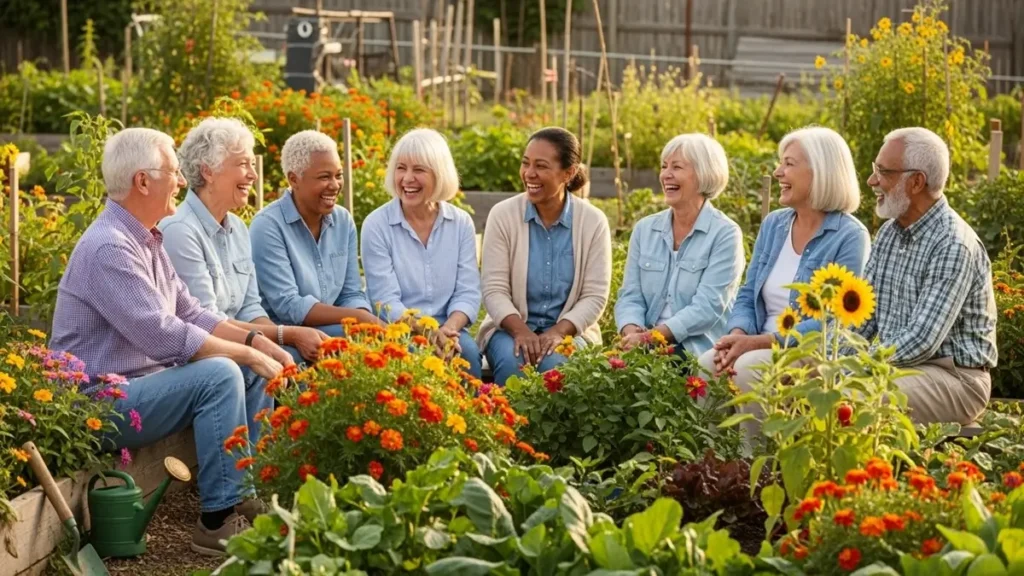
A sedentary lifestyle is a major enemy of health at any age, but its effects can be more detrimental after 60, increasing the risk of chronic diseases, falls, and loss of autonomy.
What Are the Risks of a Sedentary Lifestyle in Later Life
- Increased Risk of Cardiovascular Diseases: High blood pressure, heart attack, and stroke.
- Type 2 Diabetes: Difficulty for the body to control blood sugar levels.
- Obesity: Excess weight that puts strain on joints and other organs.
- Osteoporosis: Loss of bone mass, increasing the risk of fractures.
- Cancer: Some types of cancer have been linked to a sedentary lifestyle.
- Cognitive Decline: Studies show that lack of physical activity can contribute to memory and concentration problems.
How to Combat a Sedentary Lifestyle with Simple Changes
Small daily changes make a big difference in quality of life at 60, contributing to more autonomy and well-being.
You don’t have to become an athlete overnight. Small changes in your daily routine can make a big difference.
- Start Slowly: If you are sedentary, start with light, short-duration activities, like 10-15 minute walks.
- Incorporate Movement into Your Day: Use the stairs instead of the elevator, walk to the market or bakery, take breaks to stretch while watching TV.
- Find Activities You Enjoy: Dancing, gardening, senior fitness classes, walking pets are great options.
- Set Realistic Goals: Start with small goals and gradually increase the intensity and duration of activities.
- Find a Companion: Exercising with friends or family can make the activity more enjoyable and motivating.
Healthy Longevity After 60: Habits That Make a Difference
Reaching 60 is an achievement, and the following decade (and those to come) can be lived with fullness and well-being. The key lies in adopting healthy habits and maintaining a positive attitude towards life.
Healthy aging involves body and mind.
Healthy Eating After 60: What to Prioritize
A diet rich in fruits, vegetables, legumes, whole grains, and lean proteins provides the necessary nutrients for health and energy.
- Eat a Variety of Foods: Ensure a wide range of vitamins and minerals.
- Drink Plenty of Water: Hydration is essential for various bodily functions.
- Limit Consumption of Processed Foods, Sugar, and Saturated Fats: These foods can contribute to the development of chronic diseases.
- Pay Attention to Specific Needs: Consult a nutritionist to tailor your diet to your individual needs.
“Small daily habits make a big difference for healthy longevity and more quality of life after 60.”
Sleep in Maturity: Why It Impacts Quality of Life
A good night’s sleep is essential for physical and mental health. Try to maintain a regular sleep routine, creating a calm and comfortable sleeping environment.
Mental Health After 60: How to Keep Your Mind Active and Healthy
Caring for the mind is as important as caring for the body.
- Stay Socially Active: Cultivate relationships, participate in group activities, and avoid isolation.
- Stimulate Your Brain: Read, do crosswords, learn new skills, take part in games and activities that challenge your mind.
- Manage Stress: Practice relaxation techniques like meditation and deep breathing.
- Seek Support: If you are feeling sad, anxious, or having emotional difficulties, seek help from a mental health professional.
Check-ups and Prevention: Important Exams After 60
Do not neglect routine medical appointments and preventive exams. Early detection of diseases increases the chances of effective treatment.
Life Purpose After 60: The Role of a Positive Attitude
Maintaining an optimistic attitude, having hobbies and interests, and finding a purpose in life contribute to overall well-being and a longer, happier life.
Also read other related articles.
Conclusion: Aging Well Means Making Conscious Choices
A fulfilling life after 60 offers a new opportunity for growth, learning, and joy. By adopting healthy habits, caring for your physical and mental health, staying active and connected, it is possible to live this phase of life with vitality, autonomy, and great pleasure.
Reaching the sixth decade of life does not represent an endpoint, but rather an inaugural milestone in a phase full of unique potentialities. A fulfilling life after 60 is not an unattainable goal, but a horizon of possibilities that materializes through conscious and proactive choices.
This stage of life offers a unique opportunity for growth, continuous learning, and discovering new sources of joy, away from the conventional pressures of the past.
The pillars for building this fullness are interdependent and fundamental. The adoption of healthy habits, comprehensive care for physical and mental health, maintaining an active and curious mind, and cultivating meaningful social connections form the solid foundation for living with vitality, autonomy, and great pleasure.
It is in the synergy between a healthy body, a stimulated mind, and a heart warmed by affection that the necessary balance is found.
However, it is crucial to emphasize that there is no single script to be followed. Each individual carries a distinct history, values, and dreams. Therefore, the true key to happiness in this phase lies in finding one’s own path.
Whether through a new hobby, volunteering, strengthening family ties, or simple contemplation, what matters is honoring your own essence and writing this new narrative with purpose and contentment.
Ultimately, maturity can be the most beautiful season of life, where accumulated wisdom becomes the fuel to live each day with intensity and gratitude.
Remember: the journey is yours, unique and singular. It is up to you to embrace it and discover the endless opportunities waiting to be lived after 60, and that each journey is unique, and the most important thing is to find your own path to a full and happy life after 60.
Creating a wellness routine makes consistency easier.
Frequently Asked Questions About Fulfilling Life After 60
1 – Is it possible to have quality of life after 60 even with chronic diseases?
Yes. With adequate medical monitoring, correct use of medications, and healthy habits, many people maintain autonomy and well-being even while living with chronic diseases.
2 – Which habits most impact health after 60?
Balanced diet, regular physical activity, adequate sleep, stress management, and consistent social connections.
3 – Is physical exercise after 60 safe?
Yes, as long as it is adapted to individual conditions and, preferably, guided by health professionals.
4 – Does mental health change after 60?
It can change, especially with changes in routine and losses. Staying socially active and seeking professional support when necessary is essential.
5 – What does aging well really mean?
It means maintaining autonomy, purpose, and quality of life, respecting limits, and making conscious choices.
References:
- British Geriatrics Society: https://www.bgs.org.uk/
- World Health Organization (WHO) – Ageing and Health: https://www.who.int/health-topics/ageing
About me: I am Marcos Fonseca, a Chemistry and IT teacher for over 20 years — passionate about turning science into real practice. Here, you’ll find fact-based content, with no magical promises.
⚠️ Important: This content is for informational and educational purposes. It does not replace medical, nutritional, or psychological evaluation. In case of doubt, always consult a qualified professional. If this space serves you, feel at home to explore — and 👉 learn more about my journey.

About me: I’m Marcos Fonseca, a Chemistry and Computer Science professor for over 20 years — and passionate about transforming science into real-world practice. Here, you’ll find fact-based content, without magical promises. If this space suits you, feel free to explore — and 👉 learn more about my journey