Your liver rarely complains. It can be under strain for months, even years, without a single obvious symptom, and by the time signs show up, the issue is often already advanced.
That is exactly why understanding how to protect your liver before it needs help is one of the simplest forms of prevention available.
Why is liver health search interest surging right now?
Searches for “liver health” have jumped nearly 700% on major US health and wellness platforms this year, reflecting a real shift: the liver is no longer thought of only in the context of occasional detoxes, it is now treated as part of everyday metabolic prevention, alongside fiber and protein intake.
This mirrors a real clinical trend, since roughly one in three US adults has some form of fatty liver disease, according to liver specialists at UC San Diego Health.
What are the early warning signs of poor liver function?
The liver’s biggest challenge is that it tends to stay asymptomatic in its early stages. When symptoms do appear, they usually mean the issue already deserves attention:
- Persistent fatigue, even after a full night’s sleep
- Discomfort or heaviness in the upper right abdomen, just below the ribs
- Bloating and difficulty digesting fatty foods
- Dark urine and pale stools, a sign of altered bile processing
- Unexplained itchy skin
- Yellowing of skin or eyes (jaundice), a later-stage sign that requires immediate medical attention
As a Chemistry teacher, I like to explain the liver as the body’s chemical processing plant: it metabolizes everything you eat, drink, and even breathe in.
When that plant runs under constant overload, the wear shows up first as unexplained fatigue, because the body’s energy gets diverted toward repairing liver cells instead of powering your daily activities.
Which everyday habits actually protect your liver?
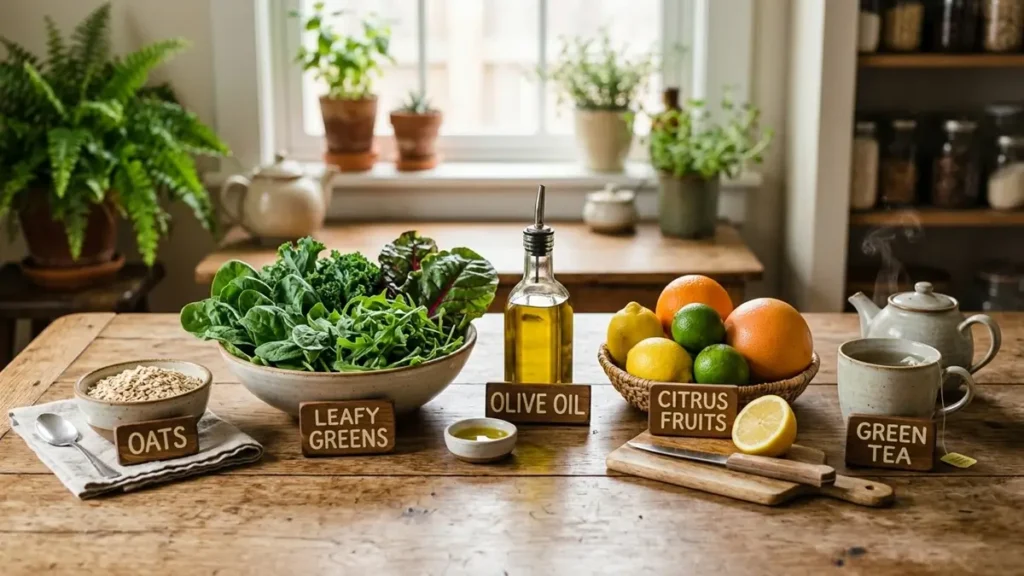
Diet is the most controllable factor in liver health. Small, consistent changes make a real difference over time:
- Cut back on added sugar and fructose, the main driver of fat buildup in the liver
- Prioritize fruits, vegetables, and whole grains, rich in fiber and antioxidants
- Avoid ultra-processed foods and fried foods, which overload fat metabolism
- Moderate or eliminate alcohol, one of the best-known causes of liver damage
- Maintain a healthy weight, since losing just 3% to 5% of body weight can already reduce liver fat, according to the National Institute of Diabetes and Digestive and Kidney Diseases (NIDDK)
The NIDDK also notes that eating more fruits, vegetables, and whole grains while avoiding foods and drinks high in added sugars, especially fructose, is one of the most effective dietary strategies for fatty liver prevention.
Do liver health supplements really work?
A few natural compounds have traditional use and popular support for liver health, but none of them replace habit change, and none work as a “miracle detox”:
- Milk thistle (silymarin): the most studied liver-support supplement
- Green tea extract: rich in catechins with antioxidant activity
- Artichoke extract: traditionally used to stimulate bile production
Before adding any supplement, the right move is always to check with a doctor first, especially because supplements themselves are metabolized by the liver, and unsupervised use can sometimes backfire.
The NIDDK maintains LiverTox, a public database that tracks drug- and supplement-induced liver injury, worth knowing about if you take any supplement regularly.
When should you get liver function tests done?
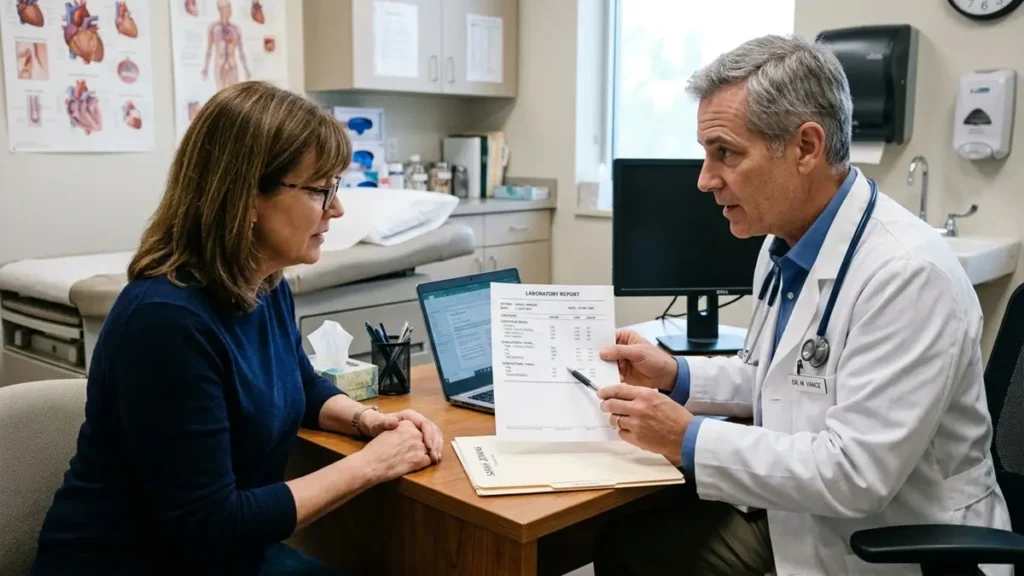
Since the liver tends to stay silent, routine testing is the most reliable way to catch problems before they become symptoms. The main tests doctors use to evaluate liver function include:
- ALT and AST: enzymes that signal liver cell damage
- GGT and alkaline phosphatase: useful for detecting bile-related changes
- Bilirubin: measures how well the liver processes waste products
- Abdominal ultrasound: usually the first imaging test ordered
People with risk factors, obesity, type 2 diabetes, a family history of liver disease, or regular alcohol use, should talk with their doctor about how often to get these tests, even without symptoms.
Conclusion: Quiet Prevention for a Quiet Organ
Your liver rarely warns you before it needs help, which is exactly why caring for it should be part of your routine, not a reaction to symptoms. Balanced eating, moderate alcohol intake, and regular checkups remain the simplest and most effective pillars of prevention.
Have you had your liver function checked recently? Let me know in the comments.
Product suggestions for promotion: milk thistle (silymarin) supplements, green tea extract, and at-home liver health test kits.
You might also like:
- The Chemistry of Sugar: Understanding How Your Body Processes It
- Sugar vs. Fat: The Science Behind Your Body’s Energy
- 10 Low-Impact Exercises for Beginners
- Say Goodbye to Burnout: 5 Vitamins That Fight Fatigue
- Health in Check: 5 Chapters for Physical and Mental Balance
Frequently Asked Questions About Liver Health
1. Can fatty liver disease be reversed?
In many cases, yes, especially in the early stage (simple steatosis). With dietary changes, gradual weight loss, and reduced alcohol intake, the liver has a strong capacity to regenerate.
2. Do only heavy drinkers get liver problems?
No. Nonalcoholic fatty liver disease (NAFLD), linked to excess sugar, obesity, and a sedentary lifestyle, is now one of the most common causes of liver disease, including in people who don’t drink at all.
3. Is liver pain always felt on the right side of the abdomen?
Usually, yes, but some studies show that symptoms like sleep disturbances, muscle cramps, and shortness of breath can appear before abdominal pain shows up, which reinforces why routine testing matters.
4. Do liver detox juices actually work?
Natural juices can support hydration and provide antioxidants, but they don’t “cleanse” the liver on their own. Your liver already detoxifies naturally; what actually helps is reducing its overall workload through a better diet.
5. How much weight loss is needed to improve fatty liver?
According to NIDDK, losing 3% to 5% of body weight can already reduce liver fat, and losing 7% to 10% can reduce liver inflammation.
References
- NIDDK (National Institute of Diabetes and Digestive and Kidney Diseases / NIH) — Nonalcoholic Fatty Liver Disease (NAFLD) & NASH
- NIH News in Health — Fighting Fatty Liver
- NIDDK — Eating, Diet, & Nutrition for NAFLD & NASH

About me: I’m Marcos Fonseca, a Chemistry and Computer Science professor for over 20 years — and passionate about transforming science into real-world practice. Here, you’ll find fact-based content, without magical promises. If this space suits you, feel free to explore — and 👉 learn more about my journey